
What is customs duty? Duty, VAT and excise duty
The Norwegian word toll covers both customs clearance at the border and the customs duty on the goods themselves. Here we explain what customs duty is, the difference between customs duty, VAT and excise duty, which goods actually carry duty, and who sets and administers the various charges.
 By Richard Coster··13 min read
Key takeaways
- The Norwegian word toll covers both customs clearance at the border and the customs duty on the goods themselves.
- Three charges can fall due: customs duty, VAT and excise duty. They are not the same thing.
- Most goods are free of customs duty; in practice there is duty only on textiles/clothing and foodstuffs.
- VAT applies as a general rule to all goods: 25 % standard, 15 % on foodstuffs.
- Stortinget (the Norwegian parliament) sets the rates; Norwegian Customs (Tolletaten) administers the duty, and the Norwegian Tax Administration (Skatteetaten) administers VAT and excise duties.
"What is customs duty?" is one of the most common questions from Norwegian companies that trade across borders, and the answer is less obvious than many people assume. The Norwegian word is used for two quite different things, and around it hover three types of charge that are constantly mixed up: customs duty, VAT and excise duty. This guide sorts out the terms: what customs duty actually means, what separates the three charges from one another, which goods carry duty, how the customs value is established, and who decides and administers the charges. The aim is that afterwards you know exactly what falls due when goods cross the border, and why.
What is customs duty?
The Norwegian word toll has two meanings, and it is worth keeping them apart:
- Toll as customs clearance: in everyday speech we usually mean the handling and control of goods that cross the border, "going through customs". This is the public task that Norwegian Customs (Tolletaten) is responsible for: controlling the movement of goods into and out of Norway.
- Toll as a charge: more precisely, toll, or customs duty, is a charge the state collects on certain goods on import. This is the sense we use when we talk about "duty on clothing" or "duty rates".
It is the second meaning, the customs duty, that most of this article is about. But the two hang together: the duty is established through customs clearance itself, when the goods are cleared and declared. The process from end to end is a subject in its own right.
A common misconception is that duty is a single bill. In reality, three different charges can fall due when you import, and they follow entirely different rules.
Norway is outside the EU customs union. Goods therefore have to be cleared through customs on import to Norway, including goods from the EU. It is this customs clearance that decides which charges are to be calculated, regardless of whether the goods turn out to be free of customs duty in the end.
Customs duty, VAT and excise duty: three different things
The most important clarification first: customs duty, VAT and excise duty are not the same thing. They hit different goods, are calculated in different ways and are administered by different agencies. Here is the short overview, before we take them one at a time:
| Charge | What it is | Which goods | Administered by |
|---|---|---|---|
| Customs duty | Charge on the goods on import, set according to the commodity code in the customs tariff | Only certain goods, in practice textiles/clothing and foodstuffs | Norwegian Customs |
| Value added tax (VAT) | General consumption tax on the sale and import of goods and services | As a general rule all goods (25 %, 15 % on foodstuffs) | The Norwegian Tax Administration |
| Excise duty | Charge on the import, production or sale of selected goods | Alcohol, sugar, tobacco, beverages, vehicles and more | The Norwegian Tax Administration |
With that picture in place, a typical import becomes easier to follow: goods can be entirely free of customs duty and still trigger VAT, and if they are a special product such as alcohol or sugar, an excise duty comes on top. The next sections explain each of them.
Customs duty: which goods carry duty?
Reality surprises many people here: most goods are free of customs duty on import to Norway. Put simply, there is duty only on textiles (clothing, for example) and foodstuffs (food and drink). The vast majority of industrial goods, from electronics, machinery and tools to furniture and spare parts, as a rule carry zero percent customs duty.
When is there customs duty on goods?
Where goods do carry customs duty, a few particular features apply:
- Foodstuffs: the duty rates can vary over the course of the year, partly out of regard for Norwegian agriculture and the season.
- Clothing and textiles: the duty rate depends on several factors and can be substantial.
- Free trade agreements: if you import from a country Norway or EFTA has a trade agreement with, the duty can be reduced or fall away, but only if you document the origin of the goods.
How much customs duty a particular product carries is always decided by how it is classified. You find the rate by looking up the commodity code in the customs tariff, which is why the right commodity code, the HS code, is the first and most decisive step in any import. If you are unsure about the classification, you can ask Norwegian Customs for a binding classification statement.
Duty-free does not mean charge-free. That goods are free of customs duty only means the duty itself is zero. As a general rule you still have to report or pay VAT, and some goods also trigger excise duty. "No duty" is therefore not the same as "no charges".
VAT: the charge that applies to almost everything
While customs duty applies only to certain goods, as a general rule you have to report or pay VAT on all goods you import into Norway, including those that carry no customs duty or excise duty. VAT is a general consumption tax, and the rates are set by Stortinget:
- 25 %, the standard rate, for most goods
- 15 %, for foodstuffs (food and drink)
The important difference from customs duty is reach: duty is the exception, VAT is the rule. An importer who looks only at the duty rate and concludes that the goods are "charge-free" therefore often gets it wrong, because VAT is added on top of almost everything. The calculation and reporting of import VAT deserves a thorough treatment of its own, not least because VAT-registered businesses report the charge themselves.
Excise duties: an extra charge on selected goods
On certain goods, excise duties come in addition to customs duty and VAT. The Norwegian Tax Administration defines excise duties as charges paid on the import, production or sale of some types of goods. It is an umbrella term, in other words, for charges placed on particular products, often on health, environmental or distributional grounds.
There is excise duty on, among other things:
- alcoholic beverages
- non-alcoholic beverages
- sugar
- tobacco products
- beverage packaging
- vehicles (engangsavgift, the one-off tax on first registration)
The method of calculation varies from product to product, and both the rate and the basis differ from the general rules. If you import goods in these categories, you therefore have to familiarise yourself with the rules for the excise duty in question. We go through the product groups, who administers them and how they are calculated in our separate guide to excise duty. Remember, too, that excise duty, in the same way as customs duty, forms part of the basis for calculating VAT, so you pay VAT on the excise duty as well.
Customs value: the basis that makes the charges calculable
What customs duty and VAT have in common is that both are worked out from an amount: the customs value. Before any charge can be set, the value of the goods has to be determined, and this customs value is the basis of calculation for the whole import.
The customs value is what you have paid or are going to pay for the goods abroad, including the transport costs to Norway, insurance, packaging and similar. In most cases it is put together like this:
- The price of the goods
- + any insurance
- + costs of packaging and the like
- + any fees, royalties, commissions or similar
- + freight costs
- = The customs value
Because the customs value underlies both customs duty and VAT, an error here propagates through the entire calculation. The basis of calculation, and the classification that governs the rates, both repay a closer look in their own right.
Who sets and who administers the charges?
One point that often causes confusion is that duty and charges are both set and administered, by different bodies.
Stortinget, Norwegian Customs and the Norwegian Tax Administration
- Stortinget sets the rates. It is Stortinget that adopts the rates for customs duty, VAT and excise duties, normally once a year in connection with the national budget. The rates can therefore change from year to year.
- Norwegian Customs administers the duty. Norwegian Customs is responsible for customs clearance at the border and for the customs duty. What the agency requires, and what role it plays, is something we look at more closely in the guide to Norwegian Customs: role and requirements.
- The Norwegian Tax Administration administers VAT and excise duties. Responsibility for excise duties and import VAT was transferred from Norwegian Customs to the Norwegian Tax Administration in 2016 and 2017. Today it is therefore the Norwegian Tax Administration that administers both VAT and the excise duties.
This division of labour explains why you deal with two agencies: Norwegian Customs at the border crossing and the declaration itself, and the Norwegian Tax Administration for reporting VAT and excise duties. For an importer it means that both the customs clearance and the reporting of charges have to be right.
Customs credit can ease cash flow. If your company has been granted customs credit (tollkreditt), you can charge customs duty and excise duty to a customs credit account instead of paying on every single import. We explain the scheme in more detail in the guide to customs credit for businesses.
Duty relief, preference and amendments
Even where goods carry customs duty to begin with, there are several ways the charge can be reduced or fall away:
- Duty relief: certain goods and purposes are exempt from customs duty under specific rules. What applies to businesses is something we look at in the guide to duty-free imports and duty relief for businesses.
- Preferential duty through free trade agreements: if you import from a country Norway or EFTA has a trade agreement with, you can get reduced duty or duty-free treatment, provided that you document the origin and claim preferential tariff treatment at customs clearance.
- Correction after the fact: if you discover that a declaration was wrong, the wrong commodity code or the wrong customs value for instance, it can be corrected. How to go about it is explained in the guide to amending a customs declaration and recalculation.
These options underline why classification and documentation matter so much: the right commodity code and a valid proof of origin are often the difference between paying the full rate and avoiding the customs duty altogether.
Who is responsible for getting duty and charges right?
A load-bearing principle in Norwegian customs law is that responsibility rests with whoever imports the goods. Even if you use a customs representative for transport and declaration, it is you, as the party liable to declare, who is responsible for the customs clearance being correct and for the right customs duty, VAT and excise duty being paid or reported.
That means the wrong classification, the wrong customs value or missing documentation becomes your responsibility, including when a customs broker has submitted the declaration on your behalf. Take this seriously and you reduce the risk of subsequent recalculation, additional charges and delays. The import process as a whole, and the export side alongside it, is well worth seeing in context.
How we help you with duty and charges
Customs duty, VAT and excise duty are connected, but they follow different rules, and the responsibility for getting it all right rests with you as the importer. As a digital customs broker, we take that job on:
- we find the right commodity code and classify the goods
- we establish the customs value correctly
- we calculate customs duty, VAT and any excise duties
- we claim preferential duty where there are grounds for it, and declare the goods for you
That way you do not have to become an expert in the customs tariff and the rules on charges yourself. And if what you need first is simply an overview of how customs clearance in Norway works, that is a sensible place to begin before going into the detail.
Wondering what you will have to pay in duty and charges?
Send us the invoice and the transport document, and we will find the right commodity code and calculate customs duty, VAT and excise duties for you, and declare the goods. Contact us for a quote.
Get help with your customs duty →Sources: Norwegian Customs (Tolletaten): import guide and the Norwegian Tax Administration (Skatteetaten): VAT rates. Rates for customs duty, VAT and excise duties are set by Stortinget; always check the current rates and rules with Norwegian Customs and the Norwegian Tax Administration.
Frequently asked questions
What does customs duty actually mean?▾
What is the difference between customs duty, VAT and excise duty?▾
Which goods carry customs duty in Norway?▾
What is customs value?▾
Who sets the duty rates and the charges?▾
What are excise duties, and which goods do they apply to?▾
Can I avoid paying customs duty?▾
How can a customs broker help with duty and taxes?▾
Related articles
Customs credit for businesses
Customs credit is the scheme that lets your business defer payment of customs duty, import VAT and excise duties instead of paying on every single import. Here we explain what customs credit is, how a business applies to the Norwegian Tax Administration (Skatteetaten), which conditions and security requirements apply, what the scheme costs, and how deferred payment frees up cash in an import business.
Duty relief and duty-free goods for businesses
Most goods are already free of customs duty when imported into Norway, and for the goods that do carry duty there are several lawful schemes giving duty relief or a reduced rate. Here we explain the difference between duty-free and duty relief, when goods are duty-free, and which schemes (free trade agreements, temporary importation, commercial samples, re-exportation and more) your business can use to save on customs duty.
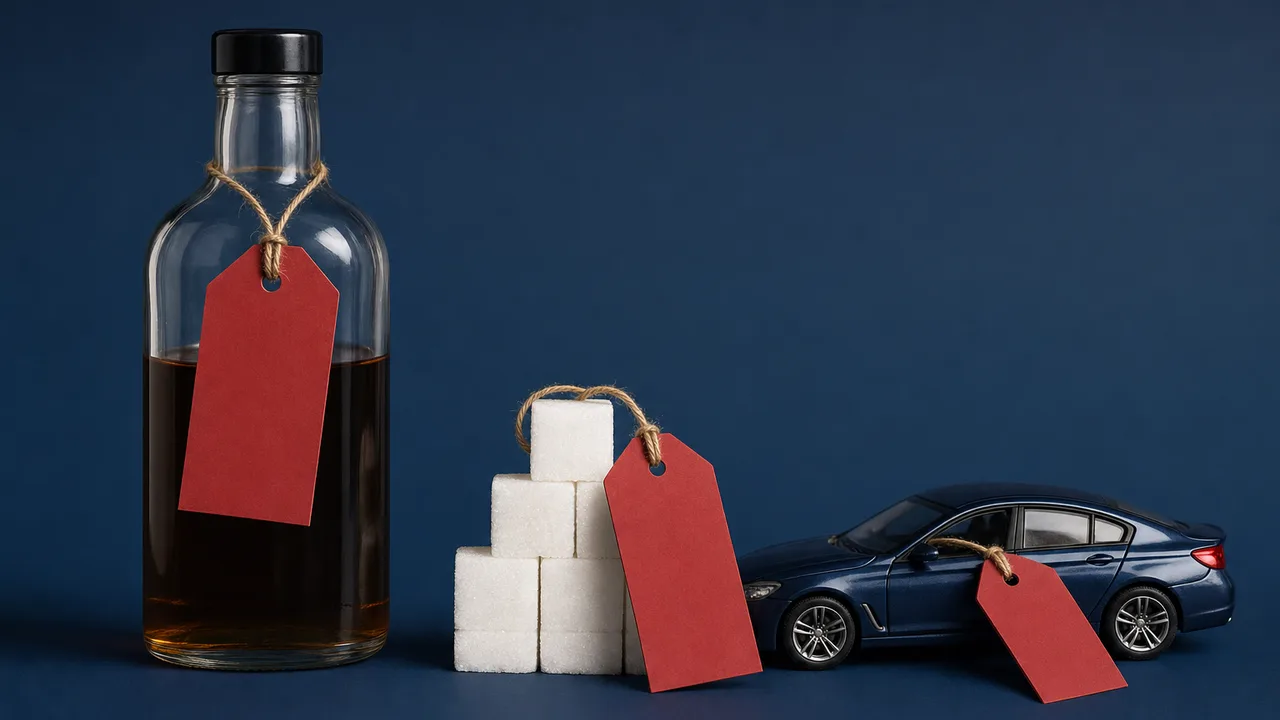
Excise duty: what it is, which goods it applies to and who administers it
Excise duty is a collective term for the duties payable on the import, production or sale of selected goods. Here we explain what excise duty is, which categories of goods are affected, who administers them, and how excise duty enters into the calculation of your total import costs.

Norwegian Customs: role and requirements
Norwegian Customs (Tolletaten) is the state authority for the movement of goods into and out of Norway. Here we explain what Norwegian Customs is and does, the agency's role and tasks — border control, movement of goods and collection — the difference between Norwegian Customs and the Norwegian Tax Administration after excise duties and import VAT were moved, and what the agency requires of you if you import and export.