
Norwegian Customs: role and requirements
Norwegian Customs (Tolletaten) is the state authority for the movement of goods into and out of Norway. Here we explain what Norwegian Customs is and does, the agency's role and tasks — border control, movement of goods and collection — the difference between Norwegian Customs and the Norwegian Tax Administration after excise duties and import VAT were moved, and what the agency requires of you if you import and export.
 By Richard Coster··11 min read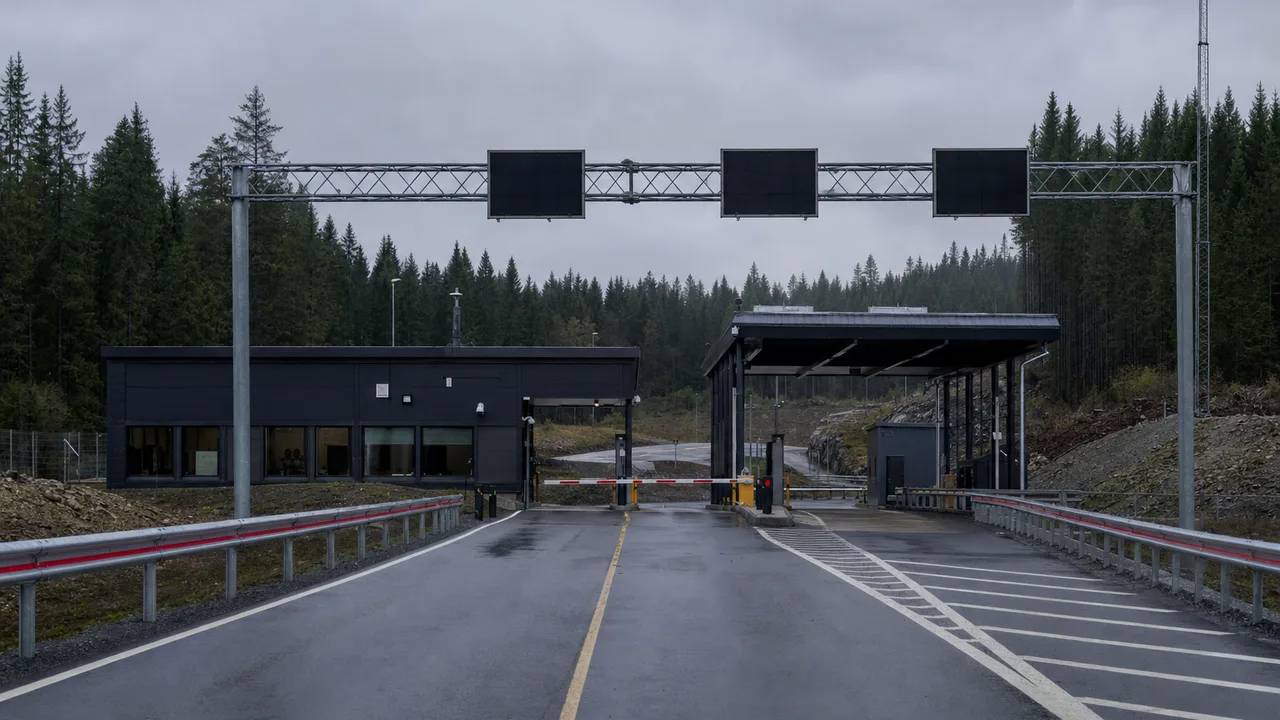
In short
- Norwegian Customs (Tolletaten) is the state agency for the movement of goods into and out of Norway — its mission is that goods crossing the border must be safe and legal.
- Its tasks fall into three: border control, movement of goods and collection of customs duty.
- Norwegian Customs vs the Norwegian Tax Administration: responsibility for excise duties and import VAT was moved to the Norwegian Tax Administration in 2016 and 2017.
- The agency also enforces regulations on behalf of a range of other authorities — not just customs duty and taxes.
- For businesses the main requirement is electronic declaration with the correct commodity code; private individuals are exempt.
Behind every "customs duty" line on an invoice and every check at the border stands a single authority: Norwegian Customs (Tolletaten). But what exactly is Norwegian Customs, what does the agency do, and what does it require of you as an importer or exporter? Many people also confuse Norwegian Customs with the Norwegian Tax Administration (Skatteetaten) — particularly since responsibility for several charges was moved between them. In this guide we go through the role and tasks of Norwegian Customs, what separates the agency from the Norwegian Tax Administration, and the obligations you actually have towards the customs authority. If you would rather understand the charge itself, we have a separate guide to what customs duty is; this one is about the authority behind it.
What is Norwegian Customs?
Norwegian Customs is the state agency responsible for the movement of goods into and out of Norway. Its mission is worded as simply as it is far-reaching: to make sure that goods crossing the Norwegian border are safe and legal. In everyday Norwegian the agency is also called "tollvesenet", or simply "tollen".
Because Norway is outside the EU customs union, all goods brought into or out of the country must be reported to Norwegian Customs and classified. It is this control over the flow of goods — not merely the collection of charges — that is the core of the agency's work. Norwegian Customs works around the clock, all year round, to enforce the laws and rules governing goods moving across the border.
Norwegian Customs ≠ charges alone. It is easy to assume that the customs authority is first and foremost about money. In reality the agency devotes substantial resources to stopping illegal and dangerous goods — and a large share of its checks are carried out on behalf of other authorities.
What are the tasks of Norwegian Customs?
The tasks of Norwegian Customs are broader than many people think. They can be divided into three main areas — border control, movement of goods and collection — which hang together, but solve different parts of the agency's mission:
- Border control. Norwegian Customs checks people and goods crossing the border, and stops illegal and dangerous goods. That covers, among other things, narcotics, weapons, counterfeit products that are hazardous to health, endangered animal species, counterfeit medicines and contaminated foodstuffs.
- Movement of goods. The agency makes sure that goods brought into and out of the country are declared and handled correctly — that they are classified with a commodity code, and that the customs treatment follows the rules. This is the side of the agency you deal with when goods are cleared through customs at the border.
- Collection. Norwegian Customs assesses and collects customs duty on import, at the rates adopted by the Norwegian parliament (Stortinget).
- Checks on behalf of other authorities. A large part of the work is enforcing the rules of a large number of other authorities — in areas such as food and drink, medicines, alcohol, tobacco, weapons, hazardous substances, animals, the environment, waste and intellectual property rights.
- Trade statistics. The information in the declarations also means the agency contributes to accurate trade statistics for Norway.
In other words: Norwegian Customs is both a control agency that protects society, and an administrative agency that handles the day-to-day movement of goods for Norwegian businesses.
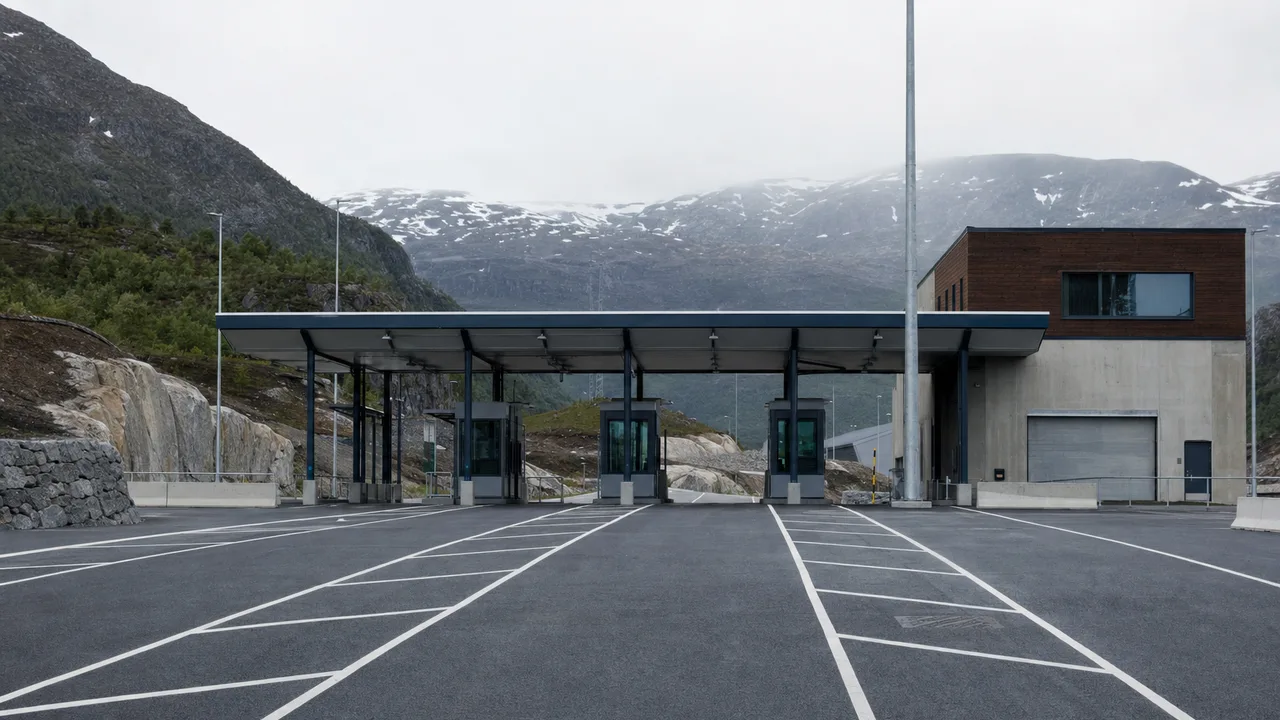
Norwegian Customs vs the Norwegian Tax Administration — who is responsible for what?
One of the most common questions is where the line runs between Norwegian Customs and the Norwegian Tax Administration. In short: Norwegian Customs is responsible for the customs treatment at the border and for the customs duty, while the Norwegian Tax Administration administers VAT and excise duties.
This division of labour is more recent than many people think. Norwegian Customs used to administer excise duties and import VAT as well. As part of a larger reorganisation, these tasks were transferred from Norwegian Customs to the Norwegian Tax Administration in two stages:
- From 1 January 2016 the Norwegian Tax Administration took over responsibility for excise duties for registered liable parties, the motor vehicle taxes and the collection tasks.
- From 1 January 2017 the Norwegian Tax Administration additionally took over excise duties for unregistered liable parties and import VAT.
After the reorganisation, Norwegian Customs was refocused as the agency for border control and the movement of goods, while the Norwegian Tax Administration was given a consolidated responsibility for taxes and duties. For you as an importer, that means you deal with two agencies: Norwegian Customs at the border crossing and for the declaration itself, and the Norwegian Tax Administration for reporting VAT and excise duties.
This is why there are two agencies to deal with. If a question comes up about import VAT or excise duty, the Norwegian Tax Administration is the right body today — not Norwegian Customs. Questions about customs treatment, customs duty and declaration still belong with Norwegian Customs. If you want to see how the three charges fit together, we explain it in the guide to what customs duty is.
What does Norwegian Customs require of businesses?
If you import or export, there are a number of requirements from Norwegian Customs you have to comply with. The most important are:
- Electronic declaration. Businesses have a duty to declare their goods electronically to Norwegian Customs. Private individuals are exempt from the requirement to declare electronically.
- The correct commodity code. Every item must be classified with a commodity code in the customs tariff. The code governs the duty rate, the charges and any restrictions, so getting the commodity code and HS code right is critical.
- Duty to give notice and provide information. There is a duty to give notice and provide information about the transport that crosses the border. These obligations are now being digitalised through Digitoll, so that the information must be submitted digitally before, or at the latest at, the border crossing.
- Duty to cooperate during an inspection. If Norwegian Customs pulls your goods aside for inspection, you have a duty to cooperate and follow the instructions you are given.
A guiding principle is that responsibility for the information being correct lies with the importer or the owner of the goods — also when a customs broker submits the declaration. Incorrect classification or inadequate documentation is therefore your responsibility towards the agency.
Digitoll is changing how you meet Norwegian Customs
Over recent years Norwegian Customs has digitalised the entire movement of goods. The old direktekjøring arrangement, under which goods could in many cases be declared some time after the border crossing, is being wound up and replaced by a digital duty to give notice and provide information, where the information has to be submitted before, or at the latest at, the crossing. For you as an importer that means the documentation has to be ready earlier than before. We have collected the specific deadlines and transition dates in our separate guide to Digitoll and Norway's new customs system.
Can you avoid customs duty through Norwegian Customs?
The fact that Norwegian Customs collects customs duty does not mean that everything triggers it. Most goods are in fact free of customs duty on import to Norway, and there are also arrangements that can reduce or remove the charge:
- Duty relief. Certain goods and purposes are exempt from customs duty under specific rules. What applies to businesses is covered in the guide to duty-free imports and duty relief for businesses.
- Preferential duty. If you import from a country Norway or EFTA has a trade agreement with, the duty can be reduced or fall away — but only if you document the origin of the goods at customs clearance.
- Correction after the fact. If you discover that a declaration was wrong, it can be corrected with Norwegian Customs. How to go about it is explained in the guide to amending a declaration and recalculation.
What all three have in common is that they rest on correct classification and good documentation — precisely what Norwegian Customs checks.
How we help you deal with Norwegian Customs
The requirements Norwegian Customs sets — electronic declaration, the correct commodity code, the duty to give notice and provide information — can be demanding to handle on your own. As a digital customs broker we take that job off your hands:
- we classify the goods with the correct commodity code
- we establish the customs value and calculate the customs duty correctly
- we declare electronically to Norwegian Customs and fulfil the duty to give notice and provide information
- we claim preferential duty where there are grounds for it
That way you do not have to become an expert in the customs rules, or connect to Norwegian Customs' own systems yourself.
Need help with the requirements of Norwegian Customs?
Skip getting to grips with declarations, commodity codes and the duty to give notice and provide information. Send us the invoice and the transport document, and we will handle the customs treatment towards Norwegian Customs for you — contact us for a quote.
Start your case →Sources: Tolletaten — Om oss and Regjeringen — Tolletaten styrkes og nye oppgaver for Skatteetaten. The tasks, requirements and division of responsibility of Norwegian Customs may change; always check the current information with Norwegian Customs and the Norwegian Tax Administration.
Frequently asked questions
What is Norwegian Customs (Tolletaten)?▾
What are the most important tasks of Norwegian Customs?▾
What is the difference between Norwegian Customs and the Norwegian Tax Administration?▾
When were excise duties and import VAT moved to the Norwegian Tax Administration?▾
What does Norwegian Customs require of businesses that import and export?▾
Does Norwegian Customs only check customs duty and taxes?▾
What am I obliged to do if Norwegian Customs inspects my goods?▾
How can a customs broker help me in dealing with Norwegian Customs?▾
Related articles
What is customs duty? Duty, VAT and excise duty
The Norwegian word toll covers both customs clearance at the border and the customs duty on the goods themselves. Here we explain what customs duty is, the difference between customs duty, VAT and excise duty, which goods actually carry duty, and who sets and administers the various charges.
Duty relief and duty-free goods for businesses
Most goods are already free of customs duty when imported into Norway, and for the goods that do carry duty there are several lawful schemes giving duty relief or a reduced rate. Here we explain the difference between duty-free and duty relief, when goods are duty-free, and which schemes (free trade agreements, temporary importation, commercial samples, re-exportation and more) your business can use to save on customs duty.

Excise duty: what it is, which goods it applies to and who administers it
Excise duty is a collective term for the duties payable on the import, production or sale of selected goods. Here we explain what excise duty is, which categories of goods are affected, who administers them, and how excise duty enters into the calculation of your total import costs.